English
Views: 0 Author: Site Editor Publish Time: 2026-03-20 Origin: Site
You can expect a Ceramic vaccum filter to deliver a drier filter cake and a clearer filtrate compared to other systems. Many industries rely on the Ceramic vaccum filter, including wastewater treatment and chemical processing. The Ceramic vaccum filter can reduce moisture content by up to 5% and significantly improve filtrate clarity, with turbidity dropping from 643 NTU to 12 NTU. Lower cake moisture means reduced disposal costs, while clearer filtrate allows for greater product recovery and fewer additional processing steps.
Ceramic vacuum filters make filter cakes drier. They can lower moisture by up to 5%. This helps cut disposal costs. It also makes the process work better.
Filtrate clarity gets much better. Turbidity drops from 643 NTU to 12 NTU. This means you can recover more product. You also need fewer steps to process.
To get less cake moisture, keep the filter cake thin. Use good ceramic materials. A strong vacuum helps make cakes drier.
Clean filter plates often to keep clarity high. Use backwashing or ultrasound to clear build-up. This keeps the filter working well.
Balance is important. Choose cake dryness or filtrate clarity for your needs. Change settings like pressure and speed for best results.
Cake moisture, or cake saturation, is how much of the space inside the cake is filled with water. This amount can get very low, but it never reaches zero for a certain set of conditions.
Cake moisture means the water left in the filter cake after filtering. In a ceramic vacuum filter, you want to take out as much water as you can from the solid parts. This gives you a drier cake. A drier cake is important for good filtration and separating solids from liquids.
A ceramic vacuum filter is good at keeping cake moisture low. These filters save energy and work well. They make clean filtrate and keep the cake’s moisture low. Usually, the filter cake from a ceramic vacuum filter has about 16.6% moisture, with a standard deviation of 1.3 percentage points. This low moisture is great for filtering fine mineral particles and thick slurries. You see these results in places like wastewater treatment and chemical processing.
Many things can change how much water stays in your filter cake:
Thicker cakes hold more water because there is more space for water to get trapped, which makes drying harder.
Thinner cakes let water drain faster, so they have less moisture left.
If you make the cake thinner, from 50 mm to 35 mm, you can lower the moisture by 5–10 percentage points if the pressure stays the same.
Thicker cakes can have 5–15% more moisture than thin ones.
Cakes thicker than 45–50 mm often have 30–35% moisture unless you use extra drying steps.
The type of ceramic, like alumina or zirconia, is important for how much water the cake keeps in vacuum filters. These materials change how strong and heat-proof the filter is, which affects how well it works and how wet the cake is. Using a strong vacuum during filtering, which the ceramic helps with, makes the cake drier. This better drying is needed when you want the cake to be as dry as possible.
The vacuum level during filtering also matters for how fast water leaves and what the cake is like. Higher vacuum levels, like 80–95 kPa, make filtering faster and give you drier cakes. This is really helpful for tough materials like metal oxides.
The filter cloth quality is important too:
If the filter cloth is clogged, water cannot pass through easily, so the cake stays wetter.
Bad filter cloth with a rough surface makes the cake stick and keeps more water in.
If the filter cloth gets bent out of shape, it does not filter well and the cake keeps more moisture.
How fast you run the filtration cycle also changes how wet the cake is. If you go too fast, more water stays in the cake. If you go slower, more water can drain out.
You can make the cake drier by changing a few things. Try to keep the cake as thin as you can without losing too much product. Use good ceramic materials and keep a strong vacuum during filtering. Make sure your filter cloth is clean and not damaged. In wastewater treatment, these steps help you get a drier cake, which saves money on disposal and makes the process work better.
Tip: If you check cake moisture all the time, you can control the filtering better. You can change the settings quickly to get the dryness you want and make drying work best.
If you pay attention to these things, you get better filtering and high efficiency in wastewater treatment and chemical processing. You end up with a drier filter cake, which means less water to deal with and better results for your work.
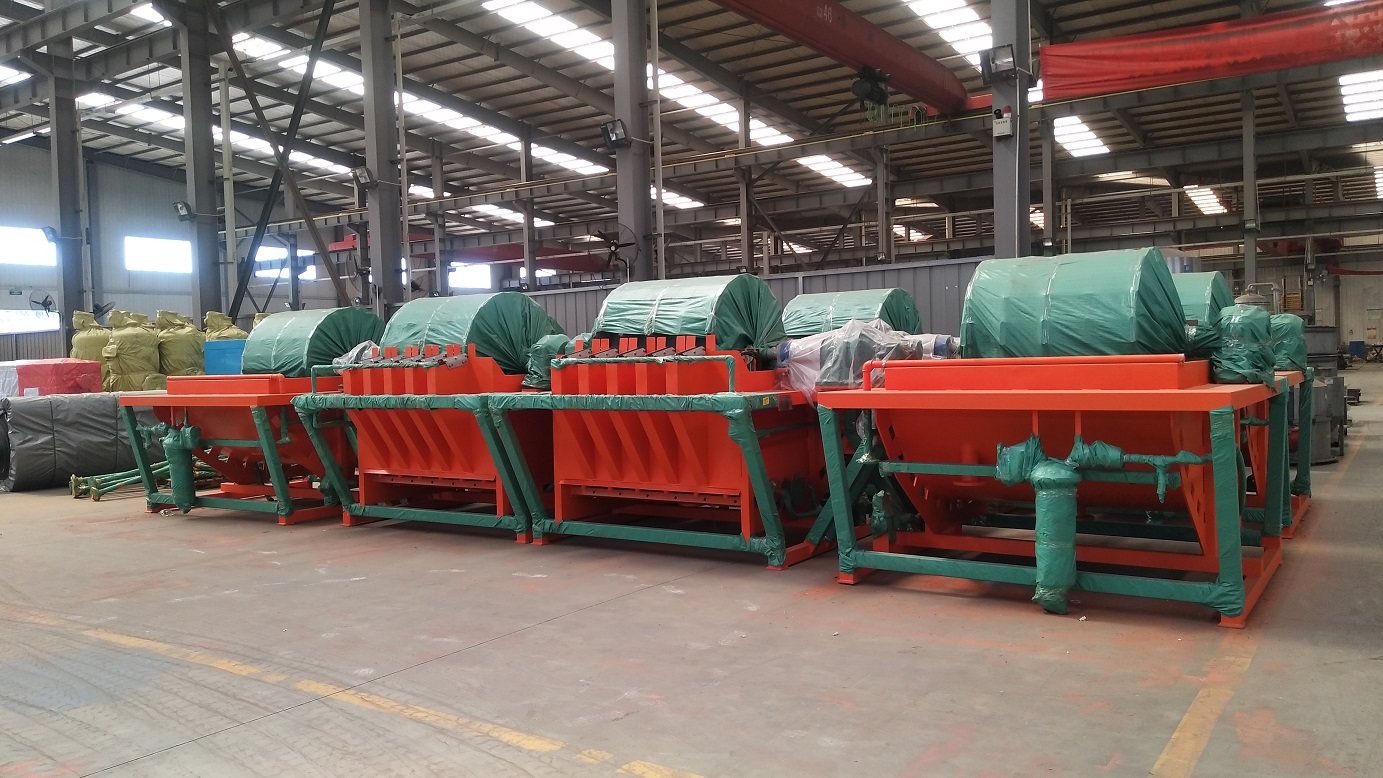
Filtrate clarity means how clean the liquid is after filtering. You want to take out as many solid pieces as you can. This is very important for separating solids from liquids in many jobs. A ceramic vacuum filter can do a very good job at this. It gives you a liquid that is almost free of solids.
Here is a table that shows what you get with ceramic vacuum filters:
Characteristic | Value |
|---|---|
Suspended solid content | 0.001-0.005 g/L solids |
Purity | High |
Recyclability | Yes |
The liquid has very few solids left in it. This is good for cleaning water or making chemicals. You can use the clear liquid again or in other steps.
Ceramic vacuum filters can make the liquid very clear. How clear you need it depends on your job. Most of the time, you can lower turbidity from hundreds of NTU to less than 15 NTU. This means the liquid looks almost clear. You can use this liquid again or move it to the next step without more cleaning.
If you need even better results, you can get 0.001-0.005 grams of solids per liter. This is much better than most other filters. The ceramic plates have tiny holes. These holes catch very small particles.
Many things can change how clear your liquid is. The filter medium is the most important part. Microporous ceramic plates have very small holes. These holes trap yeast, bacteria, and tiny particles. You do not need heat or chemicals. This keeps the taste, smell, and nutrients safe if you are working with food or chemicals.
Here are some ways microporous ceramics help:
They remove yeast, bacteria, and turbidity from liquids.
They do not need heat or chemicals, so the product stays pure.
The surface does not react with the liquid, so you avoid contamination.
The small and even pore size gives you high retention and good flow.
What you put into the filter matters too. If your slurry has lots of fine particles, you may need to change the filter settings. The pH, temperature, and how much solid is in the feed can change how well the filter works. If things are not steady, more small pieces can get through and make the liquid cloudy.
Mechanical problems can also make the liquid less clear. Issues at the scraping and discharge area can let solids escape. If the plate surface gets damaged or blocked, the filter cannot catch all the particles.
Here is a table that shows some things that affect clarity:
Factor Affecting Clarity | Description |
|---|---|
Mechanical Issues | Scraping and discharge problems can lead to cloudy filtrate. |
Surface Damage | Damage or blinding on the plate surface affects filtration. |
Unstable Operating Conditions | Fines can pass through and reduce clarity. |
You can do some things to make the liquid even clearer. First, learn about your slurry. Check the particle size, pH, temperature, and how much solid is in it. Set goals for cake moisture and filtrate clarity. This helps you choose the right filter and ceramic material.
Try using a small pilot filter first. This lets you see how the filter works with your real slurry. You can make changes before using a big filter.
Cleaning is very important. If you keep the ceramic plates clean, you will keep getting clear liquid. Use backwashing, chemicals, or ultrasound to clean off any build-up.
Here are some tips to help you:
Study your slurry and know its properties.
Set targets for cake moisture and filtrate clarity.
Test with a pilot filter before full-scale use.
Clean the filter plates often with backwashing, chemicals, or ultrasound.
If you do these things, your process will work well. You will get clear liquid for recycling or for use in chemical processing.
Tip: Always check the filter plates for damage or clogging. Fix problems early to keep your filtrate clarity high.
When you use a ceramic vacuum filter, you need to find a good balance. If you try to make the filter cake very dry, you might not get the clearest liquid. If you want the clearest liquid, your cake might have more water in it. Here are some things to think about:
Ceramic filters can make the cake 5-15% drier for fine slurries. This makes it easier to get rid of the cake.
These filters also give you very clear filtrate. You can use the water again right away in wastewater treatment or chemical jobs.
Cloth filters can handle more material at once, but they leave more water in the cake and let more solids through.
You have to choose what is most important for your work. If you need a very dry cake, you might not get the clearest liquid. If you want the cleanest liquid, you might have to accept a wetter cake.
You can use smart steps to get both the cake dryness and filtrate clarity you want. The table below shows how changing different things can affect your results:
Parameter | Impact on Cake Moisture | Impact on Filtrate Clarity |
|---|---|---|
Pressure | Higher pressure lowers cake moisture | Too much pressure can reduce clarity |
Belt Speed | Slower speed removes more water | Must match feed rate to avoid overload |
Filter Cake Thickness | Thicker cakes keep more water | Thinner cakes give clearer filtrate |
To get the best filtration, you should:
Keep the vacuum high and steady. This helps dry the cake and saves money on drying.
Clean the filter often with backflushing and ultrasound. This keeps the ceramic pores open and helps separate solids from liquids.
Check your feed before you start. Look at the size and type of solid pieces.
Set up automatic cleaning and care. This keeps the filter working well every day.
Tip: Always check your filter cake and filtrate clarity while you work. Small changes in pressure or speed can help you get the dryness and clarity you want.
If you do these things, your ceramic vacuum filter will work its best. You will get drier cakes, clearer filtrate, and better results in wastewater treatment and chemical processing.
You can get low cake moisture and clear filtrate if you pick the right ceramic vacuum filter and change important settings. Check the particle ratio, screen mesh, and airflow rate often. This helps you control how much water stays and makes your results better. Look at the table below to help you:
Filter Type | Cake Moisture (%) | Filtrate Clarity (ppm solids) |
|---|---|---|
Ceramic Vacuum Filter | 6% - 16% | < 50 ppm |
If you do these steps, you spend less money, work faster in wastewater treatment, and make dewatering safer for nature.
Ceramic vacuum filters give you drier cakes and clearer filtrate. This means you can save money and make your process better. Ceramic filters also last longer than many other filters.
Clean the plates after every filtration cycle. Cleaning often keeps the pores open. This helps you get good results each time.
Yes, ceramic vacuum filters work with slurries that have very fine particles. The small pores in the ceramic plates catch even tiny solids.
Look for tears, clogging, or rough spots on the cloth. If you see these problems, change the cloth so your filter keeps working well.
Check the filter plates and cloth for damage or blockages. Clean or replace any parts that are not working to make the filtrate clear again.