English
Views: 0 Author: Site Editor Publish Time: 2025-12-29 Origin: Site
The Rubber belt filter is a cornerstone of industrial solid‑liquid separation equipment due to its continuous filtration capabilities, high throughput, and adaptability to a wide range of slurry properties. Among its variants, Rubber belt filters equipped with vacuum systems — commonly called Rubber Belt Vacuum Filters — combine mechanical belt conveyance with vacuum suction to achieve efficient dewatering and cake formation. However, like all industrial machinery, the Rubber belt filter has a finite service life that depends on multiple operational, material, and environmental factors. Understanding these factors enables engineers and plant managers to optimize performance, minimize downtime, and extend equipment life.
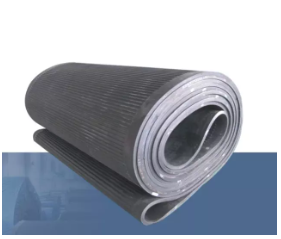
A Rubber belt filter is a form of horizontal solid‑liquid separation equipment used in industries such as mining, chemical processing, wastewater treatment, food production, and environmental applications. The equipment continuously moves slurry across a rubber support belt, while vacuum suction pulls liquid through a filter medium. The result is a dewatered solid cake suitable for further processing or disposal.
The equipment’s lifespan is crucial because of the substantial capital investment required and the need to minimize production interruptions. While the main frame of a vacuum belt filter can last decades under favorable conditions, components such as filter cloth and rubber belts may wear out significantly sooner.
Before diving into influencing factors, it’s important to understand baseline lifespan expectations for a Rubber belt filter:
Main structural components: 15–20 years with proper care
Filter cloth: Frequently replaced every 6–18 months based on wear and operating stress
Rubber belts and vacuum seals: Dependent on duty cycle and slurry properties but often longer than cloth life with regular inspection and maintenance
These figures illustrate that while the core structure of a “Rubber belt filter” may last many years, specific parts require regular replacement. Extending the lifespan of the entire system involves understanding the factors that lead to wear and failure.
The service life of Rubber belt filters depends on several interconnected variables. Below, we break them down into categories that engineers can monitor and influence.
The quality of the rubber belts, filter media, and supporting structural components directly impacts longevity. High‑grade materials resist abrasion, chemical attack, and environmental stresses better than lower‑cost alternatives. For example:
Rubber belt quality: Belts with stronger polymer compounds resist wear and tear, helping prolong overall life.
Filter cloth material: Filter media composed of robust fabrics resist clogging and abrasion, allowing longer intervals between replacements.
Material Quality Impact on Component Lifespan
| Component | Material Quality | Impact on Lifespan |
|---|---|---|
| Rubber belt | High‑performance rubber with abrasion resistance | Longer service life, reduced risk of cracking |
| Filter cloth | High‑denier woven or monofilament media | Slower wear, improved throughput stability |
| Vacuum seals | Durable elastomers or PTFE composites | Higher resistance to leaks and longer maintenance intervals |
Investing in high‑quality components often results in lower overall cost per year of service life for a Rubber belt filter system.
The properties of the feed slurry — including solids concentration, particle size, viscosity, and chemical composition — strongly influence wear rates:
Abrasive solids: High concentrations of sharp or hard particles accelerate wear on filter cloth and rubber belts due to mechanical abrasion.
Corrosive chemistry: Slurries with acidic or alkaline constituents can degrade belts and cloth if not properly selected for chemical resistance.
Moisture and operating temperature fluctuations: Frequent temperature swings or excess moisture exposure can shorten component life, especially filter media.
Key Operating Parameters
| Parameter | Impact on Lifespan |
|---|---|
| High solids load | Faster wear on belts and cloth |
| Fine particle size | Potential clogging, increased vacuum stress |
| Chemical aggressiveness | Accelerated material degradation |
| Thermal cycling | Material stress and reduced elasticity |
These conditions necessitate tailored material choices and proactive maintenance to preserve equipment life.
Regular maintenance is among the most important factors in extending the life of a Rubber belt filter. Effective practices include:
Visual inspections: Detect wear early on belts, cloth, and vacuum components.
Scheduled cleaning: Prevent buildup of solids that cause abrasion and increased vacuum stress.
Vacuum system checks: Ensuring seals are intact prevents loss of suction and uneven loading.
Poor maintenance practices lead to accelerated part degradation, unexpected downtime, and reduced overall lifespan.
Filter cloth is often cited as the single most frequently replaced part in a Rubber belt filter. Its condition determines filtration efficiency, cake dryness, and vacuum performance.
Filter cloth aging occurs due to a variety of stresses:
Long‑term clogging: Continuous accumulation of solids increases internal vacuum stress and accelerates wear.
Unstable operating conditions: Temperature fluctuations and process variability contribute to material fatigue.
Incomplete cleaning: Residual contaminants left on cloth during downtime cause accelerated fiber degradation.
Improper storage: Exposure to humidity or contaminants during storage can age cloth prematurely.
Filter Cloth Aging Factors
| Aging Factor | Effect on Cloth |
|---|---|
| Clogging | Reduced permeability, increased stress |
| Temperature swings | Material contraction/expansion |
| Chemical exposure | Fiber weakening |
| Improper storage | Pre‑use degradation |
Proactive cloth lifecycle management, including optimized cleaning protocols and timely replacements, contributes significantly to extending the lifespan of Rubber belt filters.
The interaction between the rubber belt and the vacuum chamber is a primary wear point in Rubber belt filters. Proper lubrication, alignment, and monitoring of the belt/vacuum interface are essential for long life.
Poor alignment or degraded seals allow slurry to bypass the media or disrupt vacuum flow, increasing mechanical stress and wear on the belt and cloth. Regular inspection and adjustment help mitigate these issues.
Correct installation and process parameter control significantly affect the lifespan of a Rubber belt filter:
Proper alignment: Misalignment during installation increases uneven wear and shortens belt life.
Consistent operating parameters: Unexpected spikes in feed rate, vacuum levels, or cake thickness introduce stress cycles that degrade equipment faster.
Operators should monitor performance metrics and adjust process control systems to sustain stable filtration conditions.
Comparing the lifespan of Rubber belt filters with other systems such as filter presses or centrifuges reveals differences in maintenance burdens and service life expectations:
| Equipment Type | Typical Maintenance | Expected Lifespan | Notes |
|---|---|---|---|
| Rubber belt filter | Moderate maintenance | Long (main frame), moderate for belts/cloth | Continuous operation, parts replaceable |
| Filter press | High maintenance | Variable | Frequent cloth/plate cleaning |
| Centrifuge | High maintenance | Moderate | High‑speed wear components |
Rubber belt filters provide a favorable lifespan with proper maintenance compared to batch or high‑speed alternatives, especially for consistent, high‑throughput applications.
To maximize service life, operators should adopt the following practices:
Select high‑quality belts and filter media suited to slurry characteristics.
Implement robust maintenance schedules with frequent inspections and cleaning.
Monitor operating conditions such as vacuum levels and belt tension.
Optimize storage conditions for spare belts and cloth to prevent pre‑use degradation.
Train operators on recognizing early wear signs and addressing issues quickly.
These actions lower the risk of unexpected failure and extend the useful life of Rubber belt filters significantly.
Recent industry trends emphasize digital monitoring and predictive maintenance, enabling earlier detection of wear and failure modes. Components can now be tracked using sensors that alert operators before critical performance loss occurs, thereby extending the life of Rubber belt filters and reducing unplanned downtime.
1. How often should filter cloth be replaced in a Rubber belt filter?
Filter cloth is typically replaced every 6–18 months depending on slurry abrasiveness and maintenance practices.
2. Does the quality of the rubber belt significantly affect equipment lifespan?
Yes, high‑quality rubber belts with good abrasion resistance and proper chemical compatibility extend service life significantly.
3. What role does maintenance play in Rubber belt filter longevity?
Effective maintenance — including vacuum seal checks and cloth cleaning — prevents accelerated degradation and extends component life.
4. Can storage conditions for spare belts and cloth affect lifespan?
Yes, improper storage can prematurely age belts and media, shortening their effective service life.
5. How does slurry composition affect the life of Rubber belt filters?
Slurries with high abrasiveness or chemical reactivity increase wear rates, necessitating more frequent part replacement and careful material selection.