English
Views: 0 Author: Site Editor Publish Time: 2026-08-08 Origin: Site


Mineral processing operations are rapidly evolving to meet intense environmental and economic demands. The mining sector faces escalating pressure to optimize water recovery and reduce massive tailing volumes. Facilities must also manage operating expenses tightly when dealing with complex mineral dewatering tasks.
Traditional filter presses and vacuum disc filters often struggle when processing fine tailings. They typically demand high energy consumption and require frequent media replacement, disrupting continuous production. Operators need reliable systems to achieve target moisture levels without excessive downtime.
Ceramic capillary technology offers a compelling alternative by utilizing advanced microporous membranes. You will discover how these membranes require less vacuum energy while delivering lower filter cake moisture. This guide evaluates the commercial viability, operational applications, and implementation realities of ceramic vacuum filtration in modern mining environments.
Ceramic vacuum filters reduce OPEX primarily through capillary action, which minimizes the vacuum pump energy required compared to traditional cloth media.
Primary mining applications include base metal concentrates, coal dewatering, and the management of fine abrasive tailings.
Evaluating units like the TC Series Ceramic Filter requires analyzing membrane durability (e.g., alumina ceramic), backwash efficiency, and footprint constraints.
Implementation success depends heavily on automated ultrasonic and acid-washing maintenance cycles to prevent micropore blinding.
Filtration technology originally standardized as a Chemical Industry Ceramic Filter is increasingly adopted in mining due to superior corrosion and abrasion resistance.
Rising costs of tailings dam management force mining operators to rethink their processes. Stricter environmental compliance for water discharge limits how facilities handle waste slurry. Thermal drying and legacy vacuum systems draw massive amounts of energy. Plant managers urgently need more efficient, continuous alternatives.
To evaluate dewatering success, we must examine target cake moisture content. Base metal concentrates typically require moisture levels between 8% and 12%. Minimizing your kW/ton energy expenditure is equally critical to overall profitability. You must also maximize filtrate clarity so clean water recirculates back into the plant smoothly.
We analyze the fundamental dynamic between capital investment and operating expenses. You will typically face a higher initial capital investment for a ceramic vacuum filter. However, this offsets quickly because you eliminate costly filter cloth replacements entirely. Furthermore, plant power data shows an up to 80% reduction in vacuum energy consumption. This shift drastically improves your long-term operational margins.
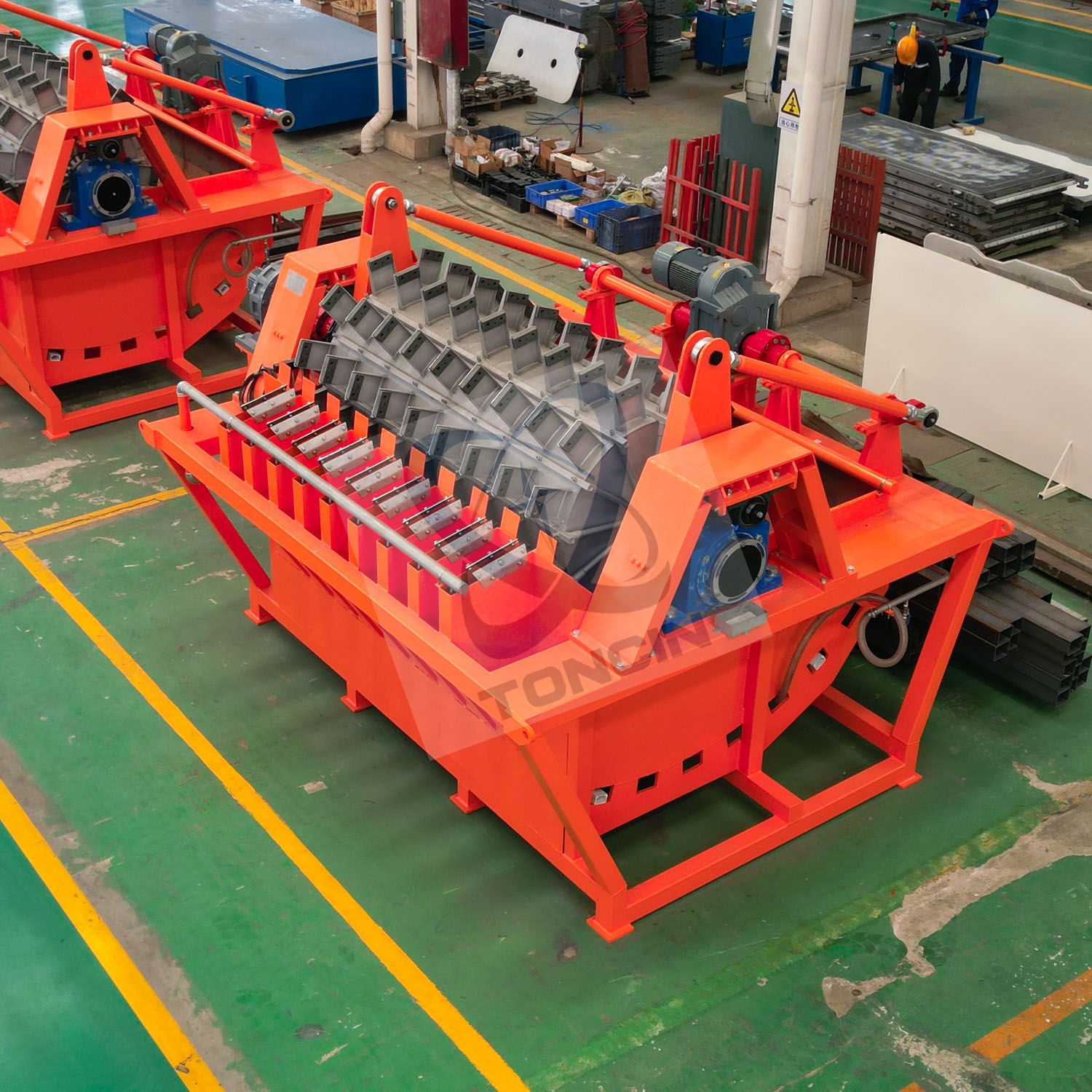
Handling fine tailings and abrasive slurries presents significant mechanical challenges. Standard filter cloths degrade rapidly when exposed to sharp mineral grains. Microporous alumina ceramic membranes effectively capture ultra-fine particles without media degradation. They withstand intense friction, making them highly reliable for continuous abrasive slurry processing.
Coal wash plants frequently deploy this technology to streamline operations. They dewater clean coal and manage complex coal refuse efficiently. Lower cake moisture helps retain the crucial calorific value of the final coal product. Removing excess water means buyers receive a higher energy output per ton.
Base and precious metal circuits rely heavily on specialized dewatering equipment. We see extensive applications across copper, zinc, lead, and gold processing facilities. Maximizing dry solid recovery directly improves downstream smelting efficiency. Drier metal concentrates reduce transport costs and require less thermal energy to melt.
Seamless metallurgical integration represents a major advantage for modern facilities. There is a straightforward transition of Ceramic Filter Applications from raw extraction circuits to advanced metallurgical processing. They integrate well into existing plant layouts and communicate easily through central control systems.
Engineers must carefully compare various solution categories before upgrading their circuits. Traditional vacuum disc filters use cloth media, which easily loses vacuum seal and wastes energy. Filter presses run in distinct batches, inherently slowing down continuous production flows. Modern ceramic disc filters operate continuously while maintaining superior vacuum seals.
We benchmark standard configurations to understand equipment performance limits. Evaluating standard models like the TC Series Ceramic Filter against custom-engineered units reveals key differences. Modular scalability is vital for mines planning future expansion. The total plate surface area directly dictates your overall daily throughput capacity.
Understanding exactly how specific features translate into operational outcomes is crucial. The chart below breaks down the technical mechanisms and their direct results.
Equipment Feature | Operational Mechanism | Direct Operational Outcome |
|---|---|---|
Capillary Action | Prevents air passage through wetted pores | Zero air leakage, resulting in lower energy draw |
Alumina Ceramic Construction | Resists friction from sharp particulates | High resistance to abrasive mineral slurries |
PLC Automated Control | Streamlines equipment operating cycles | Reduced operator intervention and consistent cake discharge |
Stringent standards from other sectors benefit mining applications directly. A standard Chemical Industry Ceramic Filter routinely handles highly acidic or alkaline slurries. Mines process similarly aggressive materials during intensive leaching phases. Adapting this robust, chemical-grade technology prevents catastrophic equipment failure on site.
Corrosion resistance is a non-negotiable requirement for many extraction processes. Extracting copper or gold involves highly aggressive chemical leaching solutions. Equipment must feature specialized acid-resistant components to survive. We frequently utilize stainless steel troughs and specialized rotor valves to handle aggressive environments safely.
Compliance and safety regulations mandate strict hazardous slurry containment protocols. Reclaiming process water is no longer just an environmental goal; it is a regulatory requirement. Meeting industrial standards protects operators and local ecosystems. Robust filtration safeguards the environment while reclaiming valuable process chemicals effectively.
No technology operates flawlessly without realistic maintenance expectations. We must acknowledge the primary operational risk: the blinding risk. Calcium scaling can slowly block the ceramic pores over time. Particulate blinding reduces your overall filtration capacity steadily if left unmanaged.
Site managers must enforce strict mitigation protocols to protect their investment. You must integrate automated nitric acid cleaning into your weekly schedule. Ultrasonic backwashing serves as an absolute necessity for daily operation. These combined protocols dissolve scale, keep micropores clear, and maintain high throughput.
Facilities must evaluate site integration requirements before authorizing delivery. You need to assess structural space constraints carefully. The system requires a highly reliable compressed air supply to operate valves. Furthermore, comprehensive operator training for complex PLC systems ensures smooth, uninterrupted running.
We believe in maintaining transparent assumptions regarding equipment capabilities. A Ceramic Vacuum Filter is highly efficient for specific specific gravities. They excel when processing slurries having precise particle size distributions (PSD). However, they may not be optimal for highly viscous, clay-heavy ores.
Securing the right equipment partner dictates the long-term success of your dewatering plant. Never skip vendor-supplied pilot testing phases. Pre-purchase lab-scale slurry analysis is crucial before committing to full-scale capital expenditure. You must prove the concept on your actual ore samples first.
When assessing different manufacturers, apply these critical vendor evaluation criteria:
Investigate the availability of localized spare parts. You will specifically need prompt access to ceramic plates and ultrasonic transducers.
Demand a proven, verifiable track record in handling your specific mineralogy.
Ensure their willingness to provide transparent ROI modeling. This modeling must be based on site-specific kW costs and detailed slurry profiles.
Your next steps require precise data collection. Gather your current dewatering baseline data immediately. Note your exact flow rate, solid concentration percentages, and target moisture levels. Use this localized data to request targeted, highly accurate vendor proposals.
Final objective assessments show ceramic vacuum filters as superior dewatering solutions. They serve as a high-efficiency, energy-saving platform for abrasive and fine-particle mining applications. Operations can significantly reduce their reliance on thermal drying and outdated filter presses.
While the technology drastically lowers OPEX, long-term success requires commitment. It remains tethered strictly to disciplined, automated maintenance protocols. Neglecting your ultrasonic and acid backwash cycles will inevitably ruin process efficiency.
We encourage plant procurement and engineering teams to take immediate action. Initiate pilot testing on your site-specific slurry samples. Verifying performance data firsthand ensures your capital upgrade delivers the promised efficiency.
A: Realistic wear timelines typically range from 12 to 24 months. This lifespan depends heavily on slurry abrasiveness and cleaning cycles. Regular ultrasonic and acid backwashing extends durability significantly. High-friction ores will wear the alumina ceramic down faster, requiring proactive plate replacement schedules.
A: They handle strong acids through the chemical inertness of alumina ceramics. Manufacturers also use specialized housing materials like high-grade stainless steel and acid-resistant polymers. These engineered components prevent corrosion when dewatering aggressive leaching solutions in metallurgical processing.
A: The primary difference lies in the filtration medium. Ceramic filters use capillary action through rigid microporous plates, preventing air leakage. Traditional filters use air-permeable cloth. The ceramic seal allows vacuum pumps to run much smaller motors, reducing energy usage drastically.
A: Processing ultra-fine, sticky clays presents significant challenges. While possible, clay-rich tailings pose a high risk of rapid pore blinding. This leads to lower throughput and demands aggressive, frequent cleaning cycles. Operations should conduct extensive pilot testing before committing to ceramic units for clay-heavy ores.